
Are Dental Bridges Permanent or Removable? Understanding Your Options
A missing tooth can dim your confidence and make everyday tasks like chewing or speaking feel challenging. At Valley Hills Dentistry, patients often share these concerns, seeking clear answers about tooth replacement solutions.
Let’s explore dental bridges, breaking down whether they’re permanent or removable, to help you choose with ease and assurance.
Why Dental Bridges Restore Smiles and Function
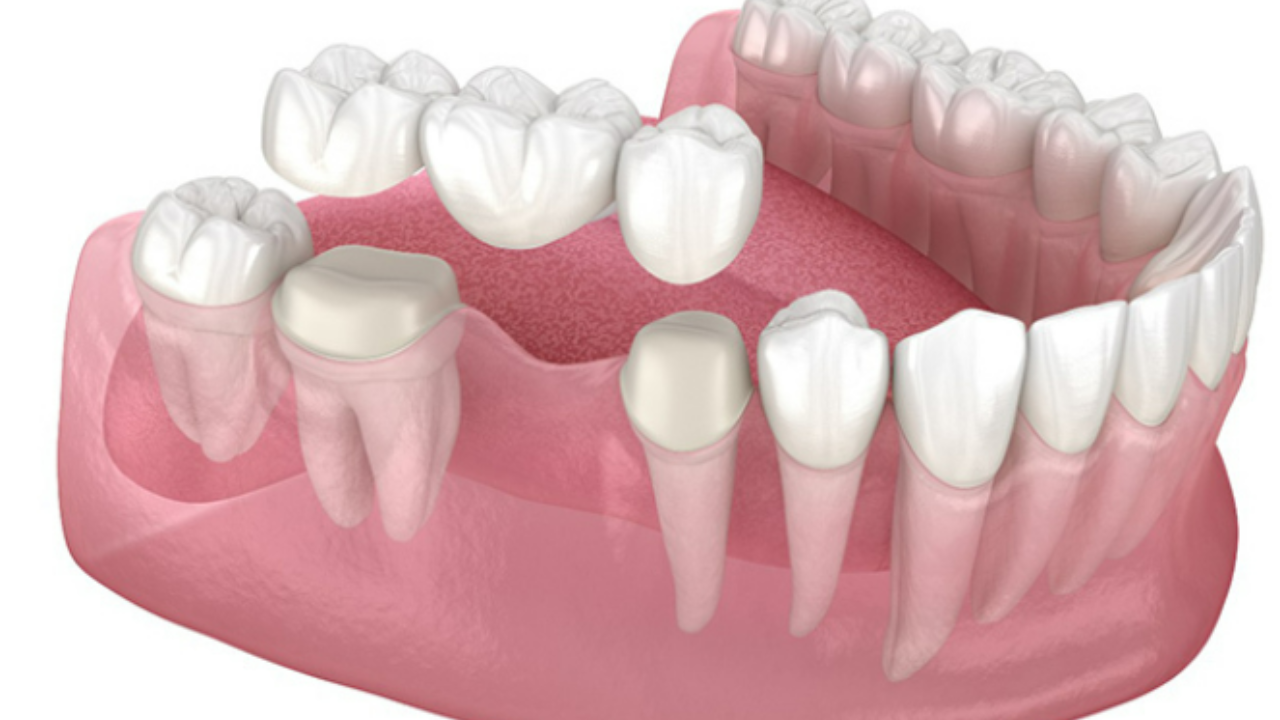
Dental bridges fill gaps caused by missing teeth, blending seamlessly with your natural smile. These devices anchor to neighboring teeth or dental implants, supporting activities like eating and talking.
They prevent issues like shifting teeth, maintain proper bite alignment for long-term comfort.
Many patients ask, Are dental bridges removable. Both options cater to different needs, and understanding their differences empowers better decisions.
Fixed bridges, often called permanent bridges, stay securely in place, while removable bridges offer flexibility for cleaning and adjustments.
Exploring Permanent and Removable Dental Bridges
Permanent Dental Bridges: A Stable, Long-Lasting Solution
Permanent bridges attach firmly to adjacent teeth or dental implants, creating a sturdy, natural feel. Once cemented, they remain fixed, eliminating the need for daily removal. Crafted from materials like porcelain, they mimic the look of natural teeth, boosting smile aesthetics.
The process involves shaping supporting teeth to hold the bridge securely. This option suits patients with healthy neighboring teeth, as it promotes oral hygiene by closing gaps that trap food. Permanent bridges also support jaw health by preventing teeth from shifting over time.
According to the research, Fixed dental bridges last 90–95% at 5 years, sometimes over 10 years, while removable bridges offer flexibility for multiple missing teeth. Both restore chewing and prevent teeth from shifting.
Removable Dental Bridges: Flexibility for Your Lifestyle
Removable bridges, akin to partial dentures, clip onto existing teeth or rest on gums, allowing easy removal. Made from acrylic or metal, they replicate natural teeth effectively. They’re ideal for those with multiple missing teeth or less robust support structures.
Taking out removable bridges for cleaning helps maintain gum health and allows inspection of the underlying areas. This option offers adaptability, especially if your oral health changes. It’s a less invasive choice, appealing to those seeking simpler maintenance.
Addressing Common Worries About Dental Bridges
Gaps from missing teeth can cause discomfort during meals or hesitation in social settings. Dental bridges restore chewing ability and enhance smile aesthetics, helping you feel at ease. Untreated gaps may lead to jaw strain or uneven tooth wear, complicating oral health.
Cost often sparks concern. Permanent bridges may require a larger initial investment due to their durability, while removable bridges offer a more budget-friendly starting point. Discussing payment plans with our Dentist in Hickory can ease financial stress.
Maintenance fears also surface. Simple care routines, like brushing and flossing, keep dental bridges in excellent condition. Regular check-ups catch minor issues early, ensuring your restoration lasts.
Some worry about infections or poor fit. Precise measurements and professional installation minimize these risks. Our focus on dental restoration ensures a comfortable, hygienic outcome.
Practical Tips for Choosing and Caring for Your Dental Bridge
Consider your daily routine when choosing between permanent bridges and removable bridges. If you prefer a low-maintenance, secure option, fixed bridges work well. For those valuing flexibility, removable bridges offer convenience.
A thorough exam, including imaging, assesses your gum health and bite alignment. This guides us to recommend the best tooth replacement option. Personalized plans ensure lasting results.
For upkeep, brush your dental bridge twice daily with a soft toothbrush. Use floss or interdental brushes to clean beneath it, preventing debris buildup. Avoid chewing hard items to protect the bridge’s structure.
Visit us every six months for cleanings and evaluations. These check-ups maintain oral hygiene and address wear early. A diet low in sugars and avoiding habits like smoking strengthen preventive care, reducing future dental issues.
Building Confidence with Expert Care
Our team at Valley Hills Dentistry dedicates itself to your comfort and satisfaction. Every dental bridge procedure prioritizes your unique needs, ensuring a confident smile. Trust us to guide you toward the best dental restoration solution.
Ready to explore your tooth replacement options? Schedule a consultation to discuss permanent bridges or removable bridges. Let us help you reclaim a healthy, vibrant smile with care you can rely on.