
Top Foods to Avoid After a Tooth Extraction and Why They Slow Healing
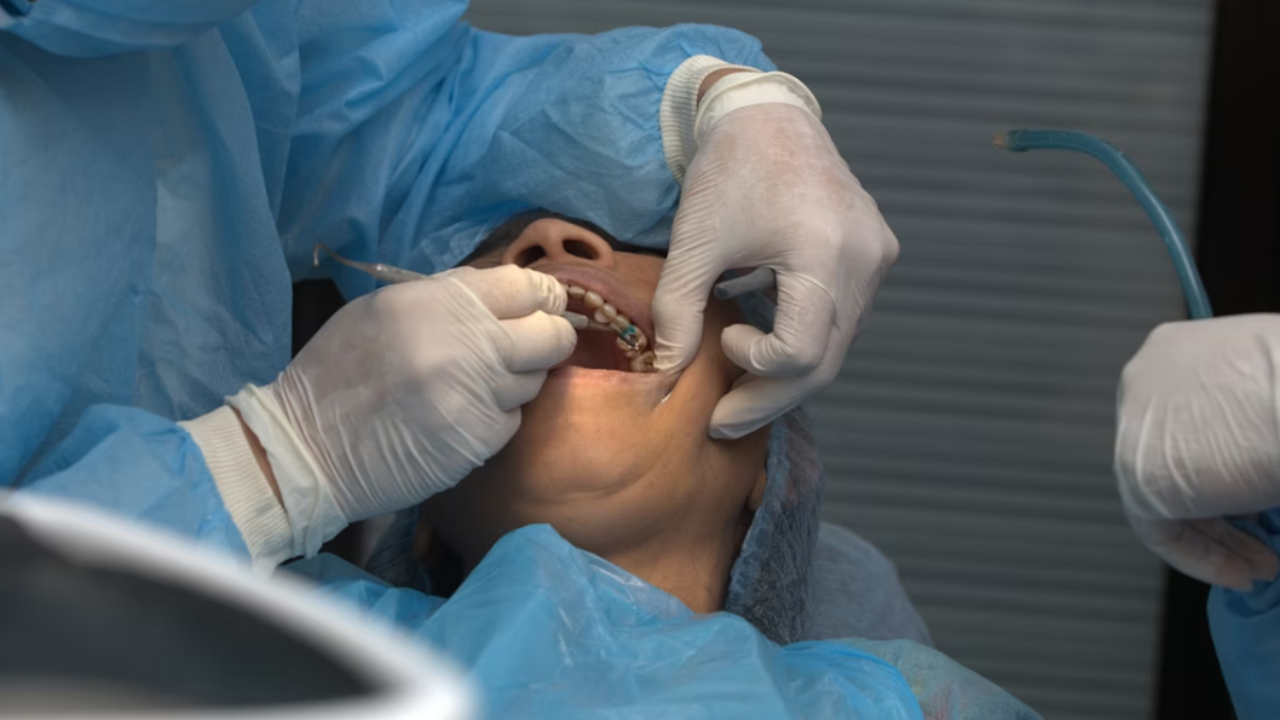
We get it, recovering from a tooth extraction can feel overwhelming, especially with worries about pain and proper healing.
Our Dentist in Hickory, NC, at Valley Hills Dentistry supports patients through this common dental procedure every day, and we aim to guide you with straightforward advice. Rest assured, following smart steps in your post-extraction care helps speed up the healing process and keeps discomfort low.
Understanding the Healing Process After Tooth Extraction
Right after a tooth extraction, your body starts forming a blood clot at the site to protect the area and begin wound healing. This clot acts as a barrier against infection and supports new tissue growth in the oral surgery recovery phase.
Disruptions to this clot can lead to issues like dry socket, which brings sharp pain and delays the recovery timeline. We focus on protecting this natural defence to make your dental recovery smooth.
Many patients express concerns about accidental harm to the extraction site during daily activities like eating.
These fears often stem from past experiences or stories from friends about prolonged discomfort. By choosing foods wisely, you reduce risks and gain confidence in your post-procedure routine.
A recent study reported that disruption of the blood clot can raise dry-socket risk to nearly 30 per cent, especially in the first 72 hours after extraction.
Research also shows that irritants like heat, acidity, or hard textures prolong inflammation, slowing early tissue repair. Soft, neutral foods were linked with fewer post-extraction complications in clinical follow-ups.
Top Foods to Avoid and Their Impact on Healing
Certain foods pose risks to the extraction site by irritating tissues or dislodging the blood clot. We break down the main ones below, explaining their effects on oral health recovery. Each point includes tips on safer alternatives to keep your diet satisfying.
Spicy Foods
Spicy foods like hot peppers or curry sauces irritate the sensitive extraction wound. The heat and chemicals in spices cause inflammation, increasing swelling and pain in the healing socket. This slows the tissue repair by diverting your body's energy to fight irritation instead of rebuilding.
Patients often report heightened discomfort when spices touch the area, leading to unnecessary stress during meals. To sidestep this, opt for mild seasonings like herbs. This simple swap maintains flavour without risking setbacks in your dental healing journey.
Crunchy or Hard Foods
Items such as nuts, chips, or raw carrots require heavy chewing, which pressures the extraction site and might loosen the protective clot. These foods can also leave sharp fragments that poke into the healing tissues, raising infection chances.
As a result, the recovery period extends, turning a quick heal into a drawn-out process.
We hear from patients who regret snacking on these, facing extra visits for complications. Soft options like mashed potatoes or yoghurt provide crunch-free satisfaction. Incorporating these keeps nutrition up while safeguarding your oral recovery progress.
Acidic Foods and Drinks
Citrus fruits, tomatoes, or sodas with high acidity erode the delicate clot and sting the exposed tissues. This erosion hampers blood clot stability, making the site vulnerable to bacteria and prolonging inflammation reduction. Over time, acidity disrupts the pH balance needed for efficient wound closure.
Concerns about favourite drinks causing pain hit home for many, affecting the enjoyment of meals. Neutral choices like water or milk help preserve the healing environment. This adjustment eases worries and supports steady post-dental procedure improvement.
Sticky or Chewy Foods
Sticky foods, including caramel or gum, cling to the extraction area, pulling at the forming clot and introducing debris. Chewy items like tough meats demand forceful jaw movements that strain the surgical site. Both types hinder clot integrity, inviting dry socket and extended discomfort management.
Readers share frustrations over these foods, leading to unexpected setbacks in healing. Smooth textures in bananas or oatmeal avoid adhesion issues. Making this change promotes a cleaner recovery space and builds reassurance.
Hot Foods and Beverages
Steaming soups or coffee can dissolve the initial clot too soon, exposing nerves and bone in the socket area. The high temperature causes burns on already tender gums, amplifying pain and swelling. This interference pushes back the tissue regeneration timeline significantly.
Pain points here include fear of scalding the mouth accidentally during routine sips. Room-temperature meals like smoothies cool the area gently. Adopting this habit fosters a calmer post-extraction experience.
Alcoholic Beverages
Alcohol thins blood and dehydrates tissues, weakening the clot formation and drying out the mouth environment. It also interacts with pain medications, heightening side effects and slowing immune response. These factors combine to extend the vulnerability window for infections.
Many patients worry about social occasions complicating their routine. Herbal teas offer relaxing alternatives without these risks. This choice strengthens overall healing support and eases decision-making.
Dairy Products with High Fat
Rich cheeses or ice cream can coat the extraction site with residue, promoting bacterial growth and obstructing natural cleansing. The fats encourage plaque buildup near the wound, complicating hygiene maintenance. This buildup delays soft tissue recovery and invites minor infections.
Concerns arise from cravings clashing with care needs, causing guilt over choices. Low-fat versions or plant-based milks clear more easily. Selecting these enhances dental wellness during this phase.
Things to Avoid After Tooth Extraction for Optimal Recovery
Beyond foods, consider broader things to avoid after tooth extraction, like smoking, which reduces blood flow and impairs oxygen delivery to the healing site. Strenuous exercise raises blood pressure, risking clot dislodgement and bleeding control issues. These habits, closely related to poor diet choices, undermine recovery efficiency.
We address patient anxieties by suggesting restful activities instead. Light walks maintain energy without strain. Prioritising these protects your progress toward full oral health.
Things to Avoid After a Tooth Extraction to Prevent Complications
In the first days, steer clear of things to avoid after a tooth extraction, such as using straws, which create suction and pull on the clot structure. Rinsing vigorously washes away protective layers, exposing the bone socket. Grouping these precautions reinforces stability measures for better outcomes.
Our advice calms fears by offering gentle alternatives like sipping directly. Gravity-assisted cleaning with saltwater aids without force. This approach bolsters confidence in daily care.
Things to Avoid Eating After Tooth Extraction for Comfort
Focus on things to avoid eating after tooth extraction, including seeds or grains that lodge in the socket crevices. These particles irritate and infect, stalling epithelial growth. Positioning diet tweaks near hygiene tips creates a cohesive recovery strategy.
Patients appreciate swaps like pureed fruits for texture. This keeps meals enjoyable and aligned with healing goals. Trust grows from seeing quick benefits.
Practical Tips for a Smooth Recovery
Start with cold compresses to manage swelling, applying for 15 minutes on and off. This clusters with pain relief methods like over-the-counter options for comprehensive comfort. Elevate your head while sleeping to minimise throbbing.
Keep the area clean with soft brushing around the site. Follow-up appointments ensure everything tracks well. These steps, tied to monitoring techniques, empower you.
Eat nutrient-rich soft foods like eggs or broths to fuel body repair. Stay hydrated with cool water to support mucus membrane health. Bundling nutrition advice with hydration emphasises holistic recovery.
When to Seek Professional Help
Watch for signs like increasing pain or unusual odours, signalling potential issues. Contact us promptly for checks. Early intervention, linked to preventive care, resolves problems fast.
We stand ready to assist at Valley Hills Dentistry. Schedule a follow-up today to confirm your healing stays on track. Our expertise ensures you feel secure every step.