
Loose, Cracked, or Painful? Understanding Dental Implant Crown Problems
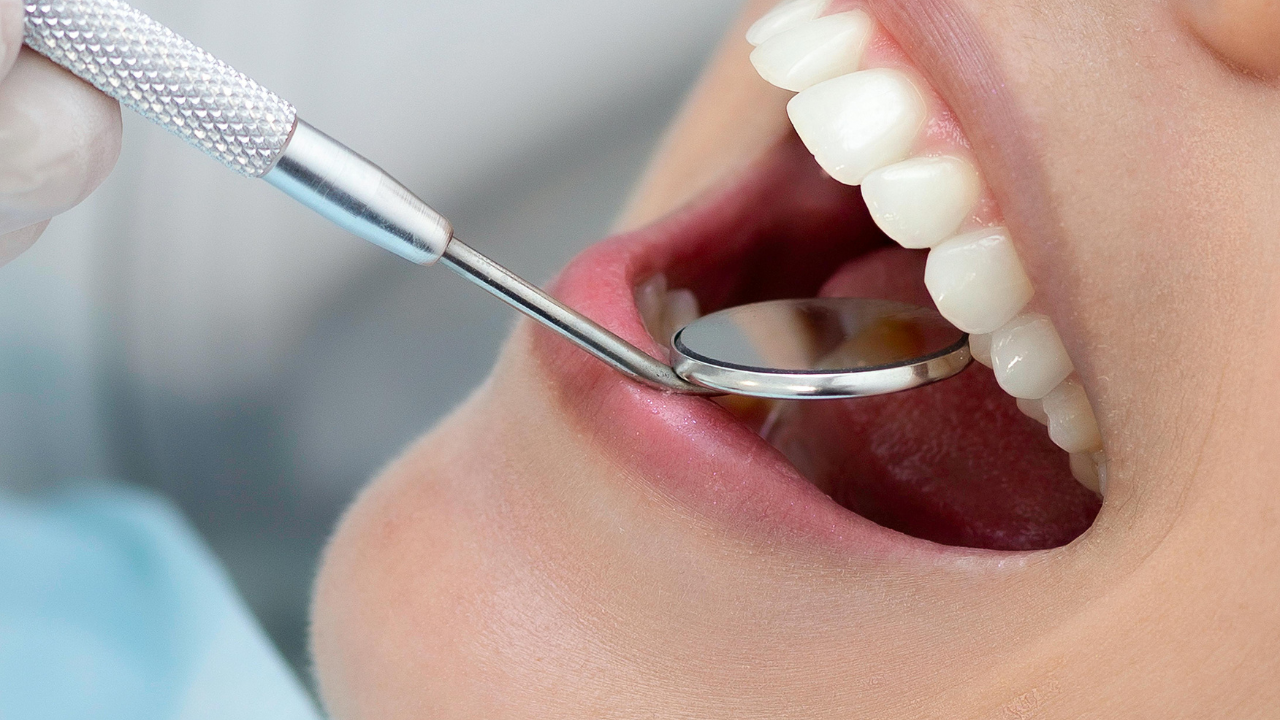
At Valley Hills Dentistry, our team hears from many patients worried about their dental implants.
These concerns often center on the crown part, which acts as the visible tooth replacement. Rest assured, our experts stand ready to guide you through these issues with care and support.
What Causes Dental Crown Problems
Dental crown problems can stem from everyday wear or unexpected events. For instance, heavy biting on hard foods might lead to cracks over time.
Poor oral hygiene allows bacteria to build up, weakening the bond between the implant and crown. Close to this, implant crown complications like improper fit during placement can create ongoing discomfort.
Patients sometimes notice these issues after a few months or years. Grinding teeth at night, known as bruxism, puts extra stress on the crown material.
Accidents or injuries to the mouth area also play a role in damaging the structure. By grouping these factors, we see how daily habits and sudden impacts connect to crown wear and tear.
Research on implant-supported single crowns shows strong long-term performance, with studies reporting a survival rate of over 93% after five years.
However, technical issues still occur, most commonly crown loosening, ceramic chipping, and crown fractures.
The data also shows that patients with bruxism (teeth grinding) experience a significantly higher rate of implant crown complications, highlighting how bite forces and daily habits directly affect crown stability and durability.
Identifying Loose Dental Implant Crowns
A loose dental implant crown feels unsteady when you touch or chew. This sensation raises alarms about stability in your oral restoration.
Often, it signals that the screw connecting the crown to the implant has loosened. Nearby, abutment issues might cause this wobble if the connecting piece shifts.
-
Spotting early signs includes a slight movement or gap around the crown base. Patients report this during meals or when brushing. Our approach involves checking for infection or bone loss beneath, which weakens support. Addressing this promptly prevents further complications in your dental prosthesis.
-
Pain or sensitivity accompanies looseness in some cases. This ties into inflammation around implants, where tissues react to the instability. We recommend gentle rinsing with saltwater to ease temporary discomfort. Professional evaluation ensures the root cause gets fixed without delay.
-
Impact on daily life shows in avoided foods or hesitant smiles. This affects confidence in social settings. By understanding these connections, patients regain control over their oral health management.
Dealing with Cracked Dental Implant Crowns
Cracked dental implant crowns appear as visible lines or chips on the surface. These flaws are closely to material fatigue from repeated use. Porcelain or ceramic crowns, common in tooth replacements, can fracture under pressure. Positioning fracture risks near daily activities highlights prevention needs.
-
Visual checks reveal hairline cracks that worsen if ignored. Patients often feel sharp edges with their tongue. Our Dentist Hickory NC, uses imaging to assess depth and decide on repair or replacement. This step protects the underlying implant structure from exposure.
-
Causes include clenching jaws or eating tough items like nuts. Related to this, occlusal forces – the way teeth meet – play a big part. Adjusting bite alignment reduces future crown damage. Simple changes in habits extend the life of your dental restoration.
-
The emotional toll comes from worry over appearance. Cracks might make smiles feel less natural. Reassuringly, modern materials offer durable fixes that blend seamlessly. This restores both function and aesthetics in your mouth reconstruction.
Managing Painful Dental Implant Crown Problems
Painful dental implant crown problems manifest as throbbing or sharp sensations. These link to nerve irritation or infection near the site.
Inflammation from poor healing ties into peri-implantitis, a condition resembling gum disease. Keeping pain triggers close in discussion aids clear understanding.
-
Common triggers involve hot or cold foods touching the area. This sensitivity points to exposed roots or loose parts. We suggest soft diets temporarily to reduce aggravation. Professional cleanings remove plaque buildup, easing discomfort in implants.
-
Long-term effects include disrupted sleep or eating patterns. This impacts overall well-being. By addressing infection sources early, recovery speeds up. Pain management options like over-the-counter relief provide interim support.
-
Building resilience against pain starts with regular check-ups. These visits catch issues before they escalate. Patients find comfort in knowing small adjustments prevent major crown complications.
Practical Solutions for Dental Implant Crown Issues
Our methods focus on thorough assessments to pinpoint dental implant crown problems. We use advanced tools for precise diagnostics. Repairs might involve tightening screws or reshaping the crown. For severe cases, full replacement ensures lasting implant stability.
Tailored plans consider your lifestyle and health history. This personal touch makes solutions effective. We prioritize minimally invasive fixes to keep downtime low. Trust in these steps brings quick relief from problems with a dental crown.
Actionable Tips to Prevent Future Problems
Maintaining your dental crowns requires consistent care routines.
-
Brush twice daily with a soft-bristle toothbrush. This removes debris without scratching surfaces. Floss around the implant to clear hidden spots. These habits strengthen crown longevity and reduce wear risks.
-
Wear a night guard if you grind your teeth. This protects against excessive force. Choose custom-fitted ones for the best comfort. Linking this to bite protection prevents cracks and looseness.
-
Schedule bi-annual visits for professional cleanings. Early detection spots minor issues. Avoid hard candies or ice chewing. These tips foster healthy implant maintenance.
-
Stay hydrated and eat balanced meals. Nutrients support bone health around implants. Quit smoking to improve healing. Grouping these with lifestyle adjustments boosts overall success.
Trust Our Expertise for Your Smile
At Valley Hills Dentistry, our commitment shines in helping patients overcome dental challenges. We offer compassionate care backed by years of experience. Feel confident knowing solutions exist for your concerns.
Schedule a consultation today to discuss your needs. Our team awaits to restore your comfort and smile. Contact us now for personalized guidance.