
When Can You Eat Solid Food After Wisdom Tooth Extraction?
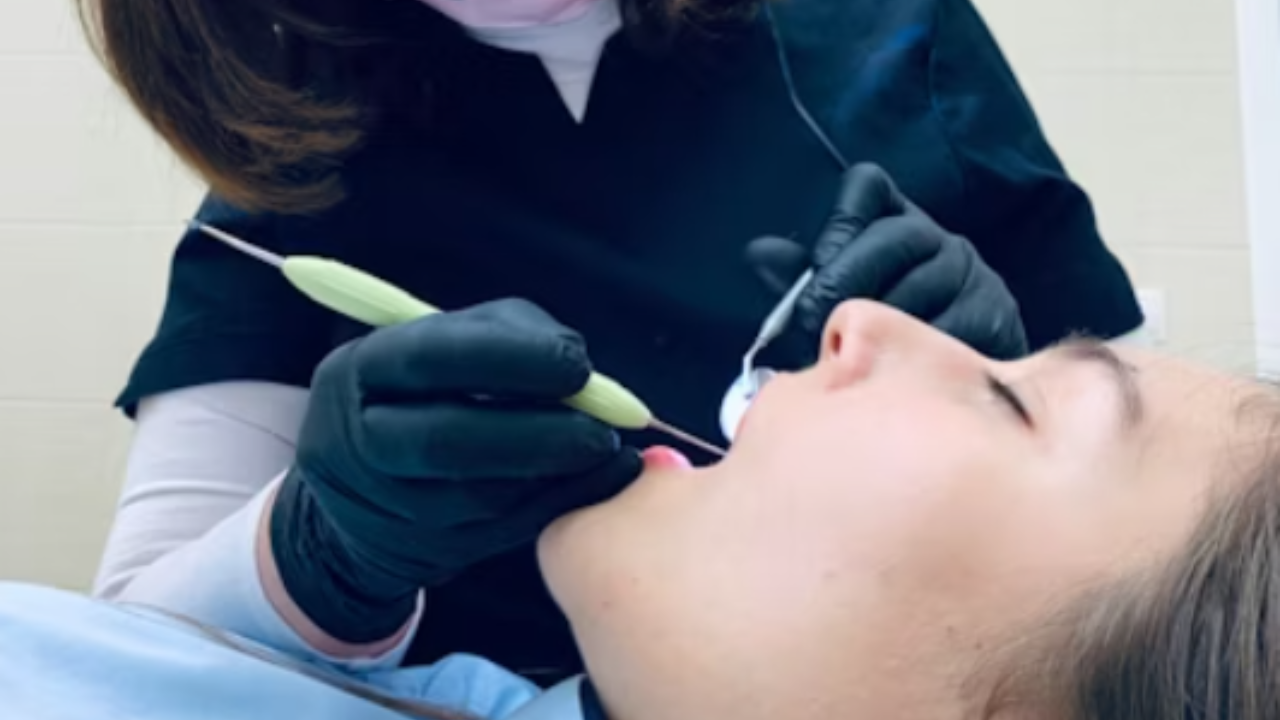
Getting wisdom teeth removed often leaves patients eager to return to normal eating habits. The question of when I can eat solid food after tooth extraction comes up frequently during recovery. This guide explains the typical timeline and offers clear steps to support smooth healing.
The Initial Healing Phase
Right after wisdom tooth extraction, a protective blood clot forms in the socket. This clot serves as the foundation for new tissue growth and guards against complications. Disturbing it too soon can lead to dry socket, which brings intense discomfort.
The first 24 to 48 hours focus entirely on protecting that clot. Any suction from straws or vigorous rinsing must be avoided. Gentle care during this window sets the stage for faster progress.
Typical Timeline for Introducing Solid Foods
Most patients follow a gradual progression based on comfort and healing signs.
-
First 24 hours: Limit intake to clear liquids and chilled items. Cool broths, apple juice, and water keep hydration in check without stressing the surgical sites. Avoid anything hot since heat can dissolve the clot.
-
Days 2 through 4: Shift toward very soft, cool, or room-temperature foods. Smooth yogurt, pudding, mashed avocado, and protein shakes work well here. These choices deliver nutrients while requiring almost no chewing effort.
-
Days 5 to 7: Many people start testing slightly firmer textures. Soft-cooked pasta, well-cooked vegetables mashed with a fork, scrambled eggs, and tender fish become reasonable options. Chew slowly and use the opposite side of the mouth to minimize pressure on the extraction sites.
-
After day 7: The majority of patients feel ready to resume solid foods. Start with easy-to-chew items such as soft bread, cooked rice, tender chicken, or steamed carrots cut into small pieces. Gradually reintroduce crunchy or chewy foods only when biting feels normal and painless.
Individual factors influence exact timing. Younger patients often progress more quickly, while complex extractions or existing health conditions may extend the cautious phase.
Research suggests recovery after wisdom tooth extraction can temporarily affect eating habits. One clinical study found that about 24% of patients reported reduced food intake after third molar removal, mainly due to post-surgical pain, highlighting the importance of gradually returning to solid foods while maintaining proper nutrition for healing.
Managing Discomfort and Common Worries
Swelling usually peaks around day two or three and then subsides. Applying cold packs to the cheeks for 15 minutes on and 15 minutes off helps control this symptom during the early days.
Some soreness lingers when chewing begins again. Starting with small bites and pausing if any sharp pain appears prevents setbacks. Persistent or worsening pain deserves prompt attention.
Food particles near the sockets can cause concern. Gentle salt-water rinses after meals keep the area clean without dislodging the healing tissue.
Practical Tips to Support Recovery
Follow these strategies to make the transition back to normal eating smoother.
-
Choose nutrient-dense soft foods early on to maintain strength during limited intake.
-
Cut all new foods into very small pieces to reduce chewing strain.
-
Stay hydrated with frequent small sips of water throughout the day.
-
Avoid spicy, acidic, or very hot items for at least the first week since they irritate sensitive tissue.
-
Keep follow-up appointments to confirm that healing is on track.
Moving Forward with Confidence
Patience during the first week pays off with a quicker return to favorite meals. Most people look back and realize the short period of adjustment was worth the smooth long-term result.
For personalized guidance tailored to your procedure, reach out to schedule a follow-up visit. Our Dentist in Hickory, NC, stands ready to answer questions and help you through every stage of recovery. Contact the office today to book your appointment.