
Before and After Dental Sealant: What Changes to Expect
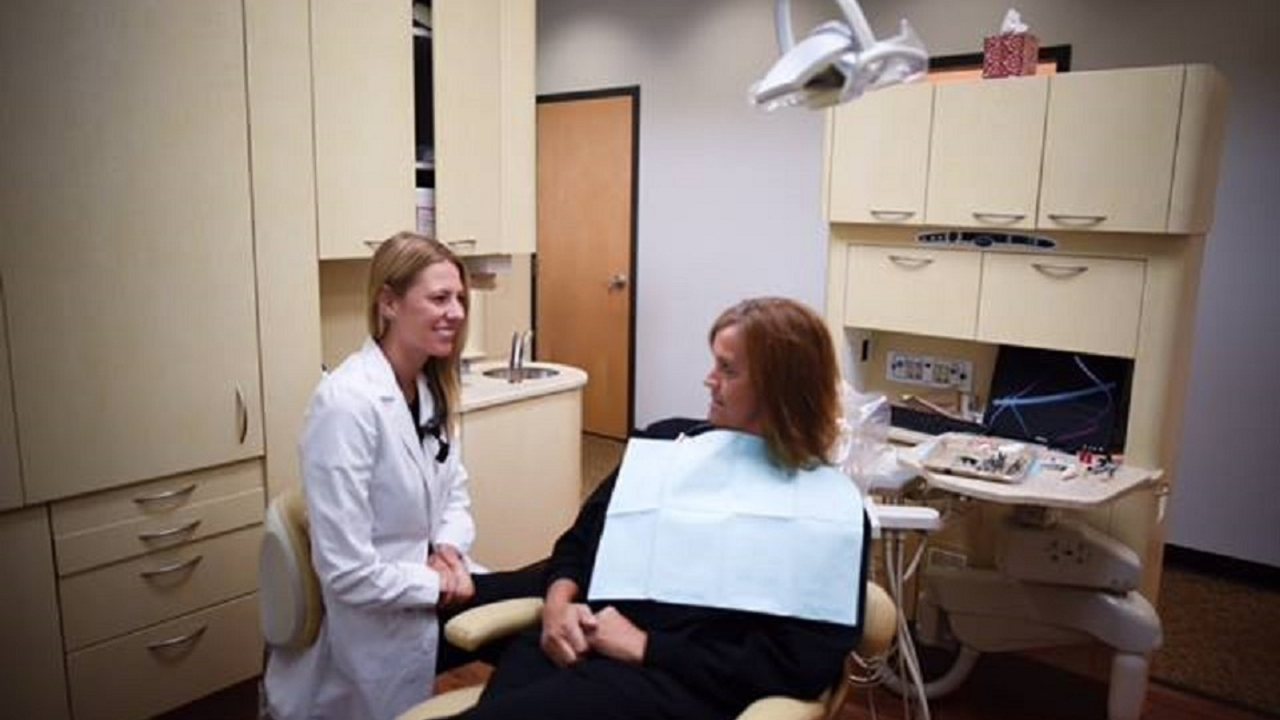
Many patients visit the clinic with one simple question. What really changes once a dental sealant is placed on the teeth? Curiosity often grows after hearing about cavity protection, tooth coating, and enamel shielding treatments.
At Valley Hills Dentistry, patients often want to visualize the before and after dental sealant experience so they can feel confident about protecting their teeth.
Dental sealants form a protective barrier over chewing surfaces. This thin coating sits inside grooves where food particles and plaque tend to settle. By sealing these tiny pits and fissures, the treatment helps guard enamel and reduce the risk of tooth decay.
When patients look at dental sealant before and after, the change may appear subtle. Yet the protective benefits become powerful over time. The goal focuses on prevention, cavity defense, and long-term oral health.
What Dental Sealants Are and How They Work
Dental sealants consist of a clear or tooth colored protective resin. This coating flows into the narrow grooves found on molars and premolars. Those grooves collect food debris, bacterial buildup, and plaque accumulation.
Once applied, the sealant hardens into a smooth shield across the tooth surface.
Why Molars Need Extra Protection
Molars carry deep pits and fissures. These tiny valleys trap sugar particles and bacterial film.
Without protection, this buildup may cause enamel damage and cavities. Sealants block those grooves and create a smooth surface that brushing can clean more easily.
Key functions of dental sealants include:
• Sealing deep grooves that toothbrush bristles struggle to reach
• Creating a barrier against plaque formation and bacterial accumulation
• Protecting enamel from early-stage tooth decay
• Supporting long-term preventive dental care for children and adults
Patients often notice peace of mind once those vulnerable grooves receive coverage.
Research from the Centers for Disease Control and Prevention shows that dental sealants can reduce cavity risk in molars by about 80 percent in the first two years after placement.
According to the Cleveland Clinic, children without sealants are nearly three times more likely to develop cavities in their back teeth. Sealants protect deep grooves in molars where food and bacteria commonly collect.
What Teeth Look Like Before Dental Sealant
Before sealant placement, molars usually show small grooves and natural fissures across the chewing surface. These narrow spaces may look harmless, yet they act like tiny traps.
Food particles, starch residue, and plaque buildup settle inside those grooves.
Common Concerns Patients Have Before Treatment
Many patients arrive with questions about discomfort, tooth drilling, or long procedures. In truth, sealant placement remains one of the simplest preventive treatments in dentistry.
Before treatment, patients may notice:
• Deep grooves or pits in molars
• Plaque buildup inside fissures
• Higher cavity risk in children or teenagers
• Sensitivity related to early enamel wear
At this stage, the tooth still looks normal from a distance. Yet microscopic spaces hold bacteria that slowly weaken enamel.
What Happens During the Sealant Application
Sealant placement occurs during a quick and comfortable visit. The process focuses on tooth cleaning, preparation, and protective coating.
Step-by-Step Sealant Placement
Our Dentist Hickory NC follows a careful sequence to prepare the tooth surface and place the sealant.
-
Professional cleaning
The tooth surface receives a gentle cleaning that removes plaque film and food debris. -
Surface preparation
A conditioning solution prepares the enamel so the sealant bonds securely. -
Sealant application
The liquid resin flows across the grooves and pits of the tooth. -
Hardening process
A curing light hardens the sealant into a durable protective layer.
The entire process often takes only a few minutes per tooth. Patients remain comfortable throughout the appointment.
What Changes After Dental Sealant Placement
Once the sealant cures, the chewing surface becomes smoother and protected. Patients rarely notice a major visual difference.
Yet when comparing before and after dental sealant, dentists can see a clear improvement in protection.
Visible Changes
The coating appears as a thin, clear, or tooth colored layer across the molar grooves. It blends with natural enamel and remains difficult to detect.
Some patients feel a slight difference when their tongue touches the tooth surface. That sensation fades quickly as the mouth adapts.
Functional Changes
Sealants change how teeth resist decay.
Key improvements include:
• Grooves become sealed and shielded from bacteria
• Food particles stop collecting inside pits
• Brushing becomes easier across smooth surfaces
• Cavity risk decreases across vulnerable molars
These improvements support preventive dentistry and long-term oral health.
Pain Points Patients Often Worry About
Patients often hesitate before trying preventive treatments. Most concerns revolve around discomfort, durability, and effectiveness.
Fear of Pain or Drilling
Sealant placement involves no drilling and no injections. The procedure remains painless for nearly every patient.
Concern About Appearance
Many patients ask whether sealants change how teeth look. The coating blends with enamel and stays almost invisible.
Question About Longevity
Sealants often last several years when cared for properly. During routine checkups, dentists examine the coating and repair it if needed.
Preventive protection stays strong when patients maintain regular dental visits.
Practical Tips to Protect Sealants and Oral Health
Once sealants protect the molars, patients can strengthen that protection through daily habits.
Daily Oral Care Habits
• Brush twice each day using fluoride toothpaste
• Clean between teeth with floss or interdental tools
• Limit sugary snacks that feed cavity-causing bacteria
• Drink water after meals to rinse food particles
These steps help preserve both the sealant and the natural enamel beneath it.
Regular Dental Checkups
Routine visits allow the dental team to inspect sealants, enamel surfaces, and gum health.
During checkups, dentists monitor:
• Sealant condition and wear
• Early signs of tooth decay
• Bite alignment and chewing surfaces
• Overall oral hygiene habits
This preventive care keeps protection strong for years.
Who Benefits Most from Dental Sealants
Children and teenagers often receive sealants once permanent molars erupt. Young teeth carry deep grooves that trap plaque easily.
Adults with cavity-prone molars may benefit from sealant protection as well.
Ideal candidates often include:
• Children with newly erupted permanent molars
• Teens with deep tooth grooves
• Adults with a cavity history in molars
• Patients seeking preventive dental protection
Sealants work best before decay begins.
A Reassuring Final Thought
When patients compare dental sealant before and after, the visual change may appear small. Yet the protective advantage becomes very meaningful over time. Sealing grooves protects enamel, reduces cavity risk, and supports healthier teeth for years.
At Valley Hills Dentistry, preventive care remains a priority for every patient who walks through the door. Our team focuses on gentle treatment, clear guidance, and long-term oral health protection.
Patients who want stronger cavity prevention or who wish to protect their child’s molars can schedule a visit with our dental team. A simple sealant treatment today may help guard teeth for many years ahead. Our clinic welcomes every patient ready to protect their smile and maintain confident oral health.