
Cost and Procedure of Getting a Stainless Steel Dental Crown
A Supportive Introduction for Patients Concerned About Dental Crowns
A damaged tooth can affect much more than a smile. Tooth pain, sensitivity, trouble chewing, and swelling may interrupt meals, sleep, school, or work. Many patients feel nervous when a dentist recommends a crown treatment, especially when cost and procedure details are unclear.
At Valley Hills Dentistry, our team spends time helping patients feel informed and comfortable before treatment begins. A stainless steel dental crown is one of the most trusted restorative options for protecting weak or damaged teeth. It is widely used in pediatric dentistry and may serve as a temporary restoration for adults in certain situations.
Many families want answers about price, durability, treatment steps, and aftercare. Those concerns matter. A crown procedure becomes much less stressful once patients know what happens during treatment and how the crown protects long-term oral health.
What Is a Stainless Steel Dental Crown?
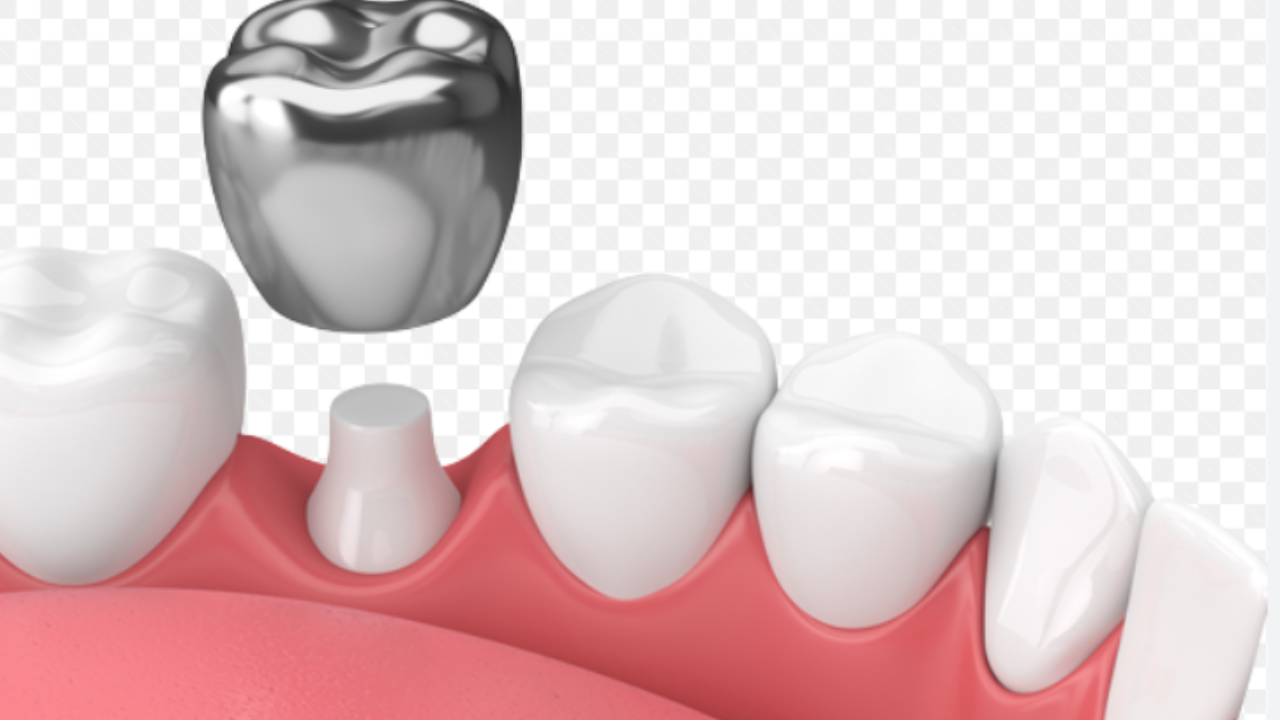
A stainless steel crown dental treatment involves placing a strong metal cap over a damaged tooth. The crown covers the visible tooth structure and protects it from further decay, fracture, or pressure during chewing.
These crowns are commonly used for baby teeth with severe cavities or weakened enamel. Dentists often recommend them after pulp therapy, large fillings, or tooth fractures.
Why Dentists Often Recommend Stainless Steel Crowns
-
Strong protection for weakened teeth
A stainless steel crown surrounds the tooth completely. This full coverage protects the remaining tooth structure from cracking, breaking, or worsening decay. Children with large cavities often benefit from this protection since baby teeth have thinner enamel and are more vulnerable to damage. -
Better chewing support and bite strength
Weak teeth may hurt during meals or feel unstable when biting down. A crown restores the tooth shape and chewing surface so patients can eat more comfortably. This support improves bite balance and reduces stress on nearby teeth. -
Long-lasting durability for active children
Children chew hard foods, grind their teeth, and place constant pressure on their molars. Stainless steel crowns are highly durable and hold up well against daily wear. This strength helps reduce repeated dental visits for repairs. -
Reduced the chance of future dental treatment
A simple filling may fail when a cavity is very large. Crowns provide stronger coverage and lower the chance of repeated decay or restoration failure. This often saves time, discomfort, and future dental expenses.
According to research published by the National Center for Biotechnology Information (NCBI), stainless steel crowns are considered among the most reliable restorations for primary molars because they provide full tooth coverage, reduce the risk of restoration failure, and offer significantly greater durability than large fillings in children with extensive tooth decay.
Studies also show these crowns help lower the risk of repeated dental treatment and protect chewing function during childhood development.
Step-by-Step Procedure for Getting a Stainless Steel Crown
Many patients feel calmer once they understand the treatment process. The procedure is usually straightforward and completed in a single visit.
Dental Examination and Diagnosis
Before treatment starts, the dentist carefully examines the tooth and surrounding gums.
-
Checking the severity of decay or damage
The dentist evaluates how much healthy tooth structure remains. X-rays may reveal hidden cavities, infection, or nerve involvement beneath the surface. -
Evaluating bite alignment and tooth spacing
Proper crown placement depends on good bite balance. The dentist checks how the upper and lower teeth contact each other during chewing and speaking. -
Discussing treatment goals with patients or parents
Families often have concerns about appearance, comfort, or cost. During this stage, the dental team explains treatment expectations, healing time, and crown care instructions.
Tooth Preparation
Once the tooth is ready for restoration, the preparation stage begins.
-
Removing damaged or decayed tooth material
The dentist gently removes weakened enamel and cavity-affected areas. Cleaning the tooth lowers bacterial buildup and prepares a healthy surface for the crown. -
Reshaping the tooth for crown placement
Small adjustments help the crown fit securely around the tooth. This shaping process creates proper spacing for chewing comfort and crown stability. -
Keeping the patient comfortable during treatment
Local anesthesia numbs the area so patients remain comfortable. Children often feel relieved once they realize the procedure is not painful.
Crown Selection and Fitting
The dentist chooses a pre-formed crown that matches the tooth size and shape.
-
Selecting the correct crown size
A properly sized crown prevents discomfort and supports natural chewing movement. The dentist tests different sizes until the fit feels secure and balanced. -
Adjusting the crown for gum comfort
Minor shaping may be performed around the crown edges. This helps the crown sit smoothly near the gums and reduces irritation. -
Checking chewing alignment carefully
The dentist asks the patient to bite down gently. Small bite adjustments improve comfort and prevent uneven pressure during eating.
Final Crown Placement
Once the fit is confirmed, the crown is permanently attached.
-
Securing the crown with dental cement
A strong dental adhesive keeps the crown stable during daily chewing and biting. Excess cement is removed carefully after placement. -
Reviewing post-treatment instructions
Patients receive guidance about eating, brushing, and managing mild soreness. Most patients return to regular activities quickly after treatment.
Cost of Getting a Stainless Steel Dental Crown
Treatment cost is one of the first concerns many families discuss during consultations. Prices vary based on the tooth condition and treatment needs.
Factors That Influence Treatment Cost
-
The amount of tooth damage present
Teeth with deeper decay or infection may require additional procedures before crown placement. This can increase the total treatment cost. -
Need for pulp therapy or sedation
Some children require pulp treatment when decay reaches the inner tooth area. Sedation services may increase comfort for anxious patients or young children. -
Insurance coverage and dental benefits
Many dental insurance plans provide partial coverage for medically necessary crowns, especially for pediatric treatment. Coverage details vary between providers.
Why Many Families Choose Stainless Steel Crowns
-
Lower replacement risk compared to large fillings
Large fillings may crack or fail under chewing pressure. Crowns usually last longer and provide stronger protection for weakened teeth. -
Fewer emergency dental visits over time
Strong coverage reduces the chance of sudden tooth fractures or severe pain. This may help families avoid urgent dental appointments later. -
Reliable function during childhood development
Baby teeth guide speech, chewing, and adult tooth eruption. Protecting them with durable crowns supports healthy oral development.
Common Concerns Patients Have Before Treatment
Dental treatment often creates emotional stress for both adults and children. Many patients worry about pain, appearance, or healing.
Fear of Pain During the Procedure
-
Concern about injections or drilling sounds
Dental anxiety is common, especially among children. Our team uses gentle communication and careful numbing methods to improve comfort during treatment. -
Worry about soreness after the appointment
Mild tenderness near the gums may happen for a short time after crown placement. Most discomfort improves within a few days.
Concerns About Appearance
-
Parents may worry about visible metal crowns.
Stainless steel crowns are usually placed on back teeth, where they are less noticeable during smiling or speaking. -
Function often matters more than appearance for molars.
Back teeth handle strong chewing pressure. Durable protection is often the main priority for restoring healthy tooth function.
Fear About Crown Longevity
-
Patients want restorations that last.
Stainless steel crowns are widely respected for durability and stability. Many remain secure until baby teeth fall out naturally. -
Regular dental visits help maintain crown health.
Routine exams allow dentists to monitor gum health, crown condition, and bite development.
Helpful Care Tips After Crown Placement
Good oral hygiene habits protect both the crown and the surrounding teeth.
Encourage Healthy Brushing Habits
-
Clean carefully around the gum line
Plaque buildup near crown edges may irritate the gums. Gentle brushing helps maintain healthy tissue around the restoration. -
Use fluoride toothpaste consistently
Fluoride strengthens nearby enamel and lowers the risk of future cavities.
Choose Tooth-Friendly Foods
-
Limit sticky candies and chewing gum
Sticky foods may loosen restorations or increase plaque buildup around the crown. -
Avoid chewing hard objects like ice.
Hard pressure can damage dental restorations and natural teeth over time.
Schedule Regular Dental Checkups
-
Professional monitoring protects oral health
Dental visits allow early detection of bite changes, gum irritation, or new cavities. -
Routine cleanings support long-term crown success
Clean teeth and healthy gums improve overall restoration performance.
Final Thoughts About Stainless Steel Dental Crowns
A damaged tooth can affect confidence, comfort, eating habits, and daily life. With proper treatment, patients can restore chewing function, reduce pain, and protect vulnerable teeth from worsening damage.
A stainless steel dental crown provides strong tooth coverage, dependable durability, and long-term support for weakened molars. Many families appreciate the combination of strength, affordability, and reliable protection these crowns provide.
At Valley Hills Dentistry, our dentists in Hickory focuses on supportive dental care that helps patients feel informed and comfortable throughout treatment. Patients experiencing tooth pain, large cavities, sensitivity, or chewing discomfort are encouraged to schedule an appointment for personalized guidance and restorative care options.