
Best Types of Dental Crowns for a 5-Year-Old Child
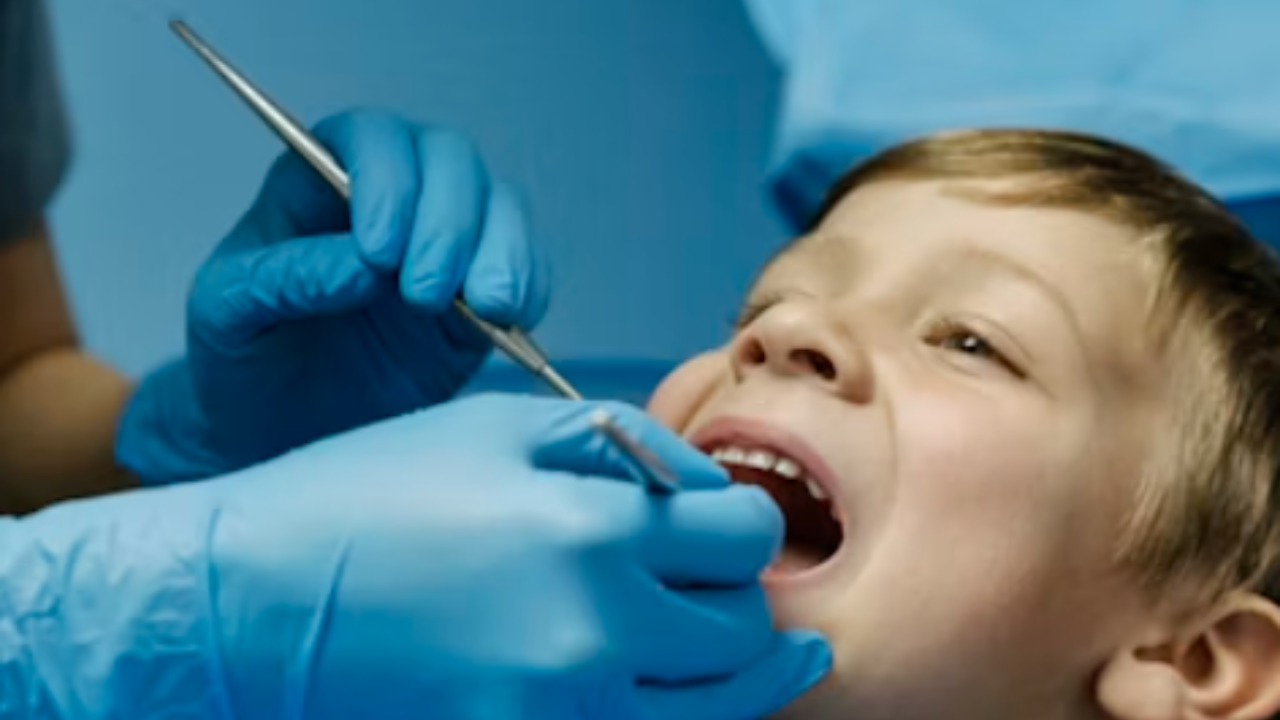
When a child needs a dental crown, many parents feel worried, confused, and even guilty. Questions about pain, safety, appearance, chewing comfort, and long-term oral health often come up very quickly. A damaged baby tooth can affect eating, speech development, sleep quality, and confidence. At times, parents wonder if saving a baby tooth is even worth it.
At Valley Hills Dentistry, our team focuses on helping families feel calm, informed, and supported during every stage of pediatric dental care. A dental crown for 5-year-old children is often recommended when a tooth has heavy decay, a fracture, or weak enamel that cannot hold a regular filling securely.
Young children need strong, comfortable, child-friendly restorations that protect oral function and support healthy growth. The right crown can preserve the baby tooth until the permanent tooth is ready to erupt, helping maintain spacing, bite alignment, jaw development, and chewing balance.
Why Would a 5-Year-Old Need a Dental Crown?
Many parents expect cavities to be fixed with small fillings. Yet some children develop tooth damage that spreads deeper into the enamel and dentin. In these situations, a filling may not stay stable for very long.
A crown covers the entire tooth surface and acts like a protective cap. This helps strengthen the tooth structure and reduce further breakdown.
Common Reasons Children Need Dental Crowns
Severe Tooth Decay
Large cavities can weaken the tooth walls. Thin enamel and soft dentin may crumble under chewing pressure. A tooth colored crown, stainless steel crown, or pediatric restoration helps protect the tooth from cracking further.
Baby Teeth After Pulp Therapy
Some children need treatment inside the tooth after infection or nerve irritation. Following pulp therapy, the tooth becomes weaker. A crown gives the tooth reinforcement and long-term coverage.
Cracked or Broken Teeth
Falls, sports injuries, and playground accidents are common during childhood. A fractured baby molar may need a crown to restore chewing strength and bite stability.
Enamel Defects or Weak Teeth
Certain children develop enamel hypoplasia or weak tooth surfaces. These teeth wear down faster and collect bacteria more easily. A durable crown reduces sensitivity and supports oral hygiene.
Why Saving Baby Teeth Matters
Parents sometimes ask why treatment matters if the baby tooth will eventually fall out. Baby teeth serve many important roles in a child's oral development.
According to a 2024 review published in the National Library of Medicine, stainless steel crowns remain one of the most successful restorative options for severely decayed baby teeth because of their long-term durability and strong protection against further tooth breakdown.
The study also highlights that modern zirconia crowns are becoming increasingly popular in pediatric dentistry due to their natural appearance, biocompatibility, and ability to improve children’s smile confidence and overall comfort.
Baby Teeth Help Maintain Proper Spacing
Each baby tooth holds space for the adult tooth underneath. Early tooth loss can cause neighboring teeth to drift into the empty area. This crowding may later contribute to orthodontic concerns.
Healthy Teeth Support Better Nutrition
Children with painful or damaged teeth often avoid crunchy fruits, vegetables, proteins, and healthy meals. Restoring the tooth helps chewing comfort and supports balanced eating habits.
Clear Speech Development
Front teeth and molars help children form words and sounds correctly. Missing or painful teeth can interfere with speech patterns during key developmental years.
Confidence and Emotional Comfort
Children notice dental discomfort more than many adults realize. Pain, sensitivity, and visible decay may affect smiling, social interaction, and school confidence.
Best Types of Dental Crowns for Young Children
Different crown materials serve different purposes. Pediatric dentists select crowns based on tooth location, decay severity, durability, appearance, and child cooperation.
Stainless Steel Crowns
Why Stainless Steel Crowns Are Common for Kids
A stainless steel crown remains one of the most trusted options for baby teeth. These crowns are durable, reliable, and highly protective for molars exposed to strong chewing pressure.
Benefits of Stainless Steel Crowns
Strong Protection for Back Teeth
Young children chew hard foods frequently. Stainless steel crowns handle biting pressure very well and resist cracking or breaking.
Full Coverage for Deep Cavities
Large areas of decay often need full tooth coverage. Stainless steel crowns seal the tooth effectively and reduce bacterial exposure.
Lower Risk of Future Damage
Children who grind teeth, clench jaws, or have high cavity risk often benefit from the durability of stainless steel restorations.
Faster Placement
Treatment time is important for younger patients. Stainless steel crowns can usually be placed in one visit, helping reduce stress and chair time.
Possible Parent Concerns
Some parents worry about the silver appearance. These crowns are mostly used on back molars, where they are less visible during talking and smiling.
Tooth Colored Crowns
Aesthetic Options for Front Teeth
Front baby teeth affect appearance more directly. Many parents prefer tooth colored crowns that blend with the child's smile.
Types of Tooth Colored Crowns
Zirconia Crowns
Zirconia crowns are strong, ceramic based restorations with a smooth white appearance. They resist staining and provide excellent aesthetics.
Resin Strip Crowns
These crowns use composite resin material placed over the front tooth. They can create a very natural appearance for visible teeth.
Advantages of Tooth Colored Crowns
Natural Looking Smile
Children often feel happier smiling and speaking when the crown matches surrounding teeth.
Smooth Surface and Gum Comfort
High quality pediatric zirconia crowns usually feel smooth against the gums and cheeks.
Support for Emotional Confidence
Young children can become self conscious about visible tooth damage. Aesthetic crowns help restore confidence during social interaction.
Things Parents Should Know
Tooth colored crowns may require more moisture control during placement. Some active children with heavy grinding habits may not be ideal candidates for every aesthetic material.
Zirconia Crowns for Molars
Some families prefer metal free restorations even for back teeth. Pediatric zirconia crowns have become increasingly popular for molars.
Why Some Parents Choose Zirconia
White Appearance
The crown blends more closely with natural teeth.
Biocompatible Material
Many families appreciate ceramic based materials for gum friendliness and comfort.
Strong Structure
Modern zirconia crowns provide good durability for chewing and biting.
Considerations Before Choosing Zirconia
Zirconia crowns often need more tooth preparation than stainless steel crowns. Treatment planning depends on cavity size, bite pressure, and child cooperation during the appointment.
How Pediatric Dentists Choose the Right Crown
Every child has different dental needs. Crown selection depends on multiple oral health factors working together.
Tooth Location
Front teeth usually receive aesthetic attention. Back molars often prioritize durability and chewing strength.
Cavity Severity
Large cavities may need stronger full coverage restorations with greater structural support.
Bite Force and Grinding Habits
Children who grind teeth place extra stress on restorations. Durable crown materials become more important in these situations.
Oral Hygiene Habits
Children with higher cavity risk may benefit from crowns with strong sealing ability and long lasting coverage.
Child Comfort and Appointment Length
Shorter procedures help younger children remain calm and cooperative during treatment.
What Parents Can Expect During the Procedure
Many parents worry about pain or emotional distress during treatment. Pediatric dentistry focuses heavily on comfort and reassurance.
Gentle Numbing and Comfort Measures
The tooth and surrounding gums are numbed carefully before treatment begins. Children usually feel pressure or movement rather than sharp pain.
Removal of Decay
The dentist removes weakened tooth material and cleans the area thoroughly.
Crown Placement
The crown is shaped and fitted over the prepared tooth. Bite alignment and chewing contact are checked carefully.
Final Adjustment
The dentist ensures the crown feels smooth and comfortable for normal eating and speaking.
How Long Do Pediatric Crowns Last?
Most pediatric crowns stay in place until the baby tooth falls out naturally. With healthy oral hygiene and regular dental visits, crowns can function very successfully for years.
Strong restorations help maintain chewing balance, tooth spacing, jaw alignment, and smile function throughout childhood growth stages.
Helpful Tips for Parents After Crown Placement
Encourage Gentle Chewing at First
Soft foods during the first day can help the child adjust comfortably to the new crown.
Maintain Daily Brushing
Good brushing removes plaque and bacteria around crown edges and gum tissue.
Reduce Sticky Sugary Foods
Chewy candies and sugary snacks increase cavity risk around surrounding teeth.
Schedule Regular Dental Checkups
Routine pediatric dental visits help monitor bite development, crown condition, and oral hygiene habits.
Watch for Grinding Habits
Night grinding may place extra force on crowns and surrounding teeth. Early monitoring supports better long term protection.
Signs a Child May Need Dental Attention Quickly
Parents should contact a pediatric dental office if a child experiences:
-
Persistent tooth pain during eating or sleeping
-
Swelling near the gums or face
-
Sensitivity to cold or sweet foods that continues regularly
-
Visible holes or dark spots in the teeth
-
Trouble chewing comfortably
-
A loose or damaged crown
-
Gum redness around the treated tooth
Early treatment often prevents more complex dental problems later.
Helping Children Feel Calm About Dental Crowns
Young children often mirror the emotional tone of adults around them. Calm communication and positive preparation can make dental visits smoother.
Helpful Ways to Prepare a Child
Use Simple Positive Language
Words like "strong tooth cap" or "protective tooth cover" may sound less frightening to young children.
Avoid Sharing Fearful Dental Stories
Negative stories can increase anxiety before treatment even begins.
Bring Comfort Items
Favorite toys, blankets, or calming objects may help younger children feel more secure during appointments.
A Healthy Smile Starts with Early Protection
A damaged baby tooth may seem small at first, yet untreated decay can spread quickly in young children. Protective restorations such as pediatric dental crowns, tooth caps for children, baby tooth crowns, and restorative pediatric dentistry solutions help preserve oral health during important growth years.
At Valley Hills Dentistry, our focus stays on comfortable care, child-centered treatment, and long-term smile protection. Every child deserves a healthy bite, comfortable chewing, and the confidence to smile freely.
Families concerned about cavities, broken teeth, or pediatric crown treatment can schedule an appointment with our dentists in Hickory for personalized guidance and compassionate care. Early treatment can protect your child's smile and support healthy development for years ahead.