
Why Accurate Dental Crown Molding Matters for Your Smile
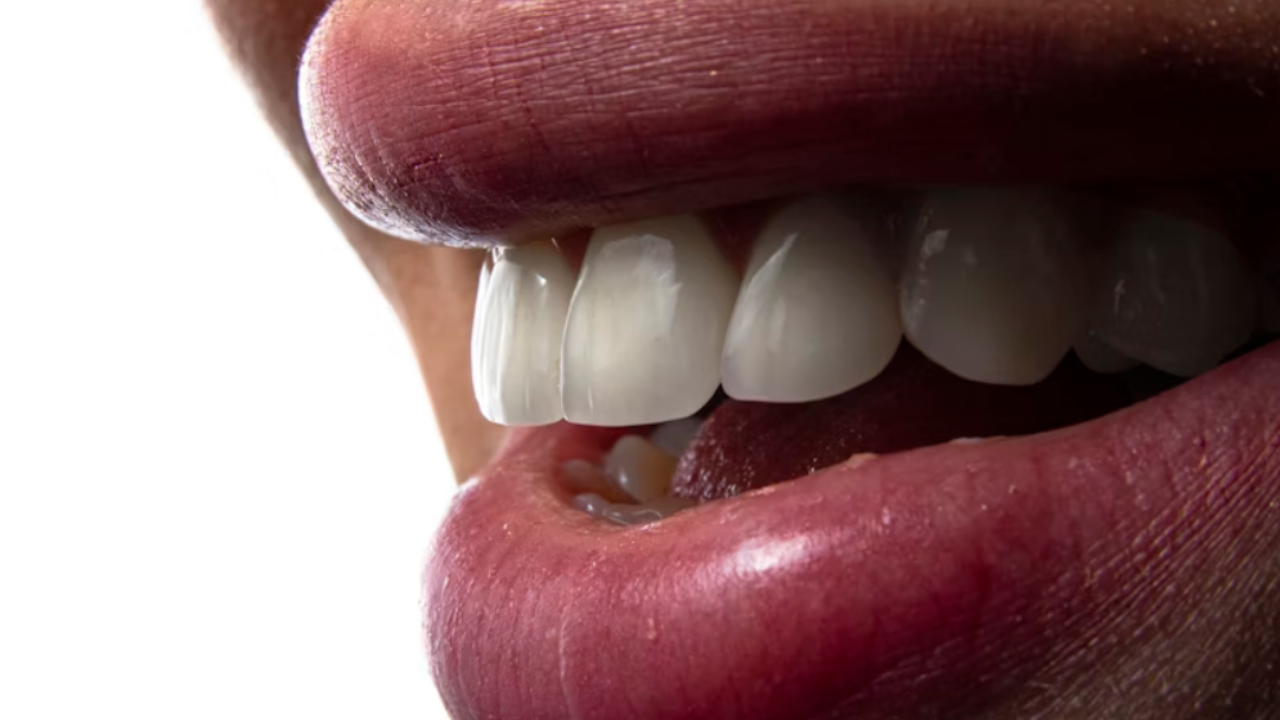
A damaged tooth can affect everyday comfort in surprising ways. Simple activities like eating, smiling, laughing, or speaking may suddenly feel uncomfortable when a crown does not fit properly. Many patients become frustrated after receiving a dental crown that feels bulky, uneven, or sensitive during chewing. In many situations, the problem begins during the impression stage.
At Valley Hills Dentistry, patients often ask why crown precision matters so much. The answer is simple. A crown should function like a natural tooth. That level of comfort starts with accurate dental crown molding and careful bite measurements.
When impressions are created correctly, the final restoration supports chewing strength, gum health, bite balance, and smile appearance. A properly fitted crown can help a patient forget the crown is even there.
What Is Dental Crown Molding?
Before a crown is made, the dentist prepares the tooth and captures its exact shape through impressions or digital scanning. This process is known as dental tooth crown molding.
The mold records important details such as tooth contours, gum position, spacing between teeth, and bite alignment. These details guide the dental laboratory when building the final crown.
A small error during this stage can create noticeable discomfort later. Even a tiny gap or uneven surface may affect the way the upper and lower teeth meet together.
A review published by the Cleveland Clinic explains that accurate dental impressions play a major role in creating properly fitted crowns, improving bite alignment, comfort, and long-term oral function.
Research also shows that digital dental impressions can provide highly precise measurements while reducing errors linked to traditional molding methods. Better crown adaptation may help lower the risk of gum irritation, uneven bite pressure, food trapping, and future restoration complications.
Why Crown Accuracy Has a Major Impact on Oral Comfort
Accurate Crown Fit Helps Chewing Feel Natural
Chewing should feel smooth and balanced across the mouth. When a crown sits too high or too low, pressure becomes uneven. This uneven contact may strain nearby teeth and jaw muscles.
Patients with a properly fitted crown often notice that their meals feel comfortable again. Foods can be chewed evenly without sharp pressure or sensitivity. The crown blends into the bite pattern instead of interrupting it. This connection between bite alignment, chewing balance, tooth contact, and jaw movement supports stronger oral comfort during daily activities.
Proper Molding Protects Gum Health
The edge of a crown sits very close to the gums. If the crown shape is inaccurate, bacteria and plaque can collect around the margins. This may irritate the soft tissue surrounding the tooth.
A well-molded crown supports healthier gums in several ways:
• Smooth crown edges help reduce irritation near the gum line. Patients usually notice less redness, swelling, and tenderness around the restored tooth.
• Accurate spacing between teeth helps floss move more comfortably. This improves plaque removal and supports cleaner gum tissue over time.
• Tight crown margins help reduce food buildup beneath the restoration. This lowers the chance of decay developing underneath the crown.
These small details support long-term gum stability and oral cleanliness.
Correct Crown Shape Improves Speech and Smile Appearance
Tooth size and positioning influence the way words are pronounced. A crown that feels too thick or oversized may affect speech patterns during conversations.
Precise molding helps create crowns that match nearby teeth in shape and contour. This creates a smoother smile line and a more natural facial appearance. Many patients feel more confident smiling in photos or speaking publicly after receiving a properly fitted restoration.
The relationship between smile symmetry, tooth contour, speech comfort, and facial balance becomes very important for emotional confidence.
Problems That Can Happen With Poor Crown Molding
Many patients ignore discomfort after crown placement, expecting the problem to disappear with time. Mild soreness during the first few days is common, though ongoing symptoms may signal a fit issue.
Common Signs a Crown May Need Adjustment
Several symptoms may suggest inaccurate molding or bite imbalance:
• Pain during chewing often means the crown contacts opposing teeth too aggressively. This pressure may create tooth soreness or jaw fatigue during meals.
• Food constantly getting trapped between teeth may point toward spacing problems around the crown. This can increase plaque buildup and gum irritation.
• Gum tenderness around the crown edge may happen when the restoration presses against soft tissue incorrectly.
• Sensitivity to cold drinks or hot foods may develop if the crown margin does not seal properly against the tooth structure.
• A loose or shifting sensation may indicate poor crown adaptation or cement issues.
Patients should never ignore persistent discomfort after crown treatment.
How Modern Technology Improves Crown Precision
Dental technology has improved crown accuracy significantly over recent years. Many dental offices now use advanced scanning systems instead of traditional impression trays alone.
Digital Scanning Creates More Precise Measurements
Digital imaging systems capture highly accurate tooth details within seconds. These systems produce a three-dimensional image that helps create better-fitting crowns.
Patients often appreciate digital scanning for several reasons:
• The scanning process feels more comfortable inside the mouth. Many patients dislike bulky impression trays or impression material touching the throat area.
• Digital scans capture fine tooth details with strong accuracy. This helps support smoother crown margins and better bite balance.
• Faster communication between the dentist and laboratory improves crown production quality.
• Digital records allow dentists to study bite positioning more carefully before final placement.
This combination of digital imaging, crown design, bite mapping, and restorative precision supports stronger treatment outcomes.
Why Bite Alignment Matters After Crown Placement
The mouth functions as a connected system. One crown that sits unevenly can affect surrounding teeth, jaw joints, and chewing muscles.
Balanced Bite Contact Reduces Excess Pressure
When bite pressure spreads evenly, the teeth work together more smoothly. Accurate molding helps support balanced tooth contact throughout the mouth.
This creates several long-term benefits:
• Jaw muscles experience less strain during chewing and speaking. Patients often report reduced tension near the jawline.
• Nearby teeth receive balanced pressure instead of carrying extra force from an uneven crown.
• Teeth grinding pressure may decrease when the bite feels more stable and comfortable.
• The crown itself may last longer when pressure is distributed evenly across the chewing surface.
Balanced bite function supports stronger oral stability over time.
Helpful Tips for Patients Receiving a Crown
Patients can improve treatment success by staying involved during the crown process.
Speak Up About Bite Discomfort Quickly
Even small bite issues deserve attention after crown placement. Early adjustments are usually quick and simple.
Patients should contact the dental office if they notice:
• Sharp pressure during chewing
• Continued soreness after several days
• Difficulty flossing around the crown
• Jaw discomfort after eating
• Sensitivity that keeps returning
Prompt adjustments help protect the tooth and surrounding structures.
Maintain Strong Oral Hygiene Habits
A crown still needs regular cleaning even though the restoration itself cannot decay.
Healthy crown care habits include:
• Brushing gently around the crown margins helps remove plaque and bacteria that collect near the gum line.
• Daily flossing supports cleaner contact points between teeth and reduces gum irritation.
• Limiting very hard foods may help reduce stress on the crown surface during chewing.
• Routine dental examinations allow dentists to monitor crown stability and gum response before larger issues develop.
Good hygiene habits support longer-lasting restorative results.
Emotional Confidence Plays a Big Role Too
Many patients feel embarrassed after tooth damage or uncomfortable dental work. A crown that feels unnatural may create self-consciousness during conversations and social events.
An accurately fitted crown often restores comfort and confidence together. Patients can smile, laugh, and eat more comfortably without constantly thinking about the restored tooth.
That emotional relief matters just as much as physical comfort.
Final Thoughts
Accurate crown molding affects far more than appearance alone. It supports bite balance, chewing comfort, gum health, tooth protection, speech clarity, and long-term oral function. Small details during the impression process can create major differences in how a crown performs years later.
At Valley Hills Dentistry, careful attention is placed on precision, comfort, and restorative quality throughout every stage of crown treatment. Patients dealing with uncomfortable crowns, damaged teeth, bite pressure, or gum irritation deserve care that feels supportive and dependable.
Scheduling a consultation can help patients learn whether a crown adjustment, crown replacement, or new restoration may improve comfort and smile function. A healthier smile often begins with accurate molding and personalized dental care.